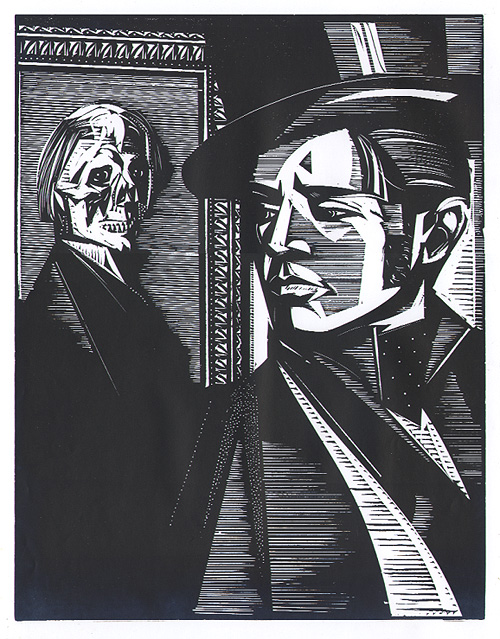
The Picture of Dorian Gray is a book I hear about and know a
lot about without actually reading until just very recently. People love it,
and it isn’t surprising to see why. It was very outside the box, very much
taboo and spoke out loudly – flamboyantly? – against the social/societal norms
of Elizabethan British Propriety.
I feel so improper writing that sentence, but it feels good. The book is about much of what I like to tease people about, the idea that you can screw social norms and live your life by the simple rule: Do what feels good.
I have a feeling that most noble men and women who live by similar standards, like Lord Henry (Dorian Gray’s friend and sort of mentor figure), can do this responsibly and without hurting anyone. But Dorian is immature and very, very vain. Not to mention he misinterprets what his mentors are trying to pass down to him and applies their lessons to become more cunning, more conniving and cleverly use his good looks for intentions that are not only selfish, but actually harmful to others.
Vanity is one of the themes here, especially that annoying
British vanity – the focus on appearance and etiquette, manner of speech and
coming off to people as noble rather
than intelligent – but Dorian seems to take his vanity too far. The painting
that is so goddamn exquisitely described and miserably, painfully created over
the course of our introduction to Dorian that it represents an image that is not, in
fact, a portrait of the young man, but instead an image of his person. It
changes as he maintains his beauty and celebrates it.
He is basically indestructible in high British society
because of his beauty, and goes on doing whatever the hell he wants even though
his close friend, Lord Henry, has a very similar approach to life and is still
a responsible, quite likeable human. But only likeable to us, as his behavior
is extremely taboo and scandalous for the time it was written. He talks about
marrying a woman he does not love, about art as a career, and even jokes about
divorce; in the U.K. in the 20th Century, ‘divorce’ was still treated like a swear word by
people who wished to always be polite and proper.
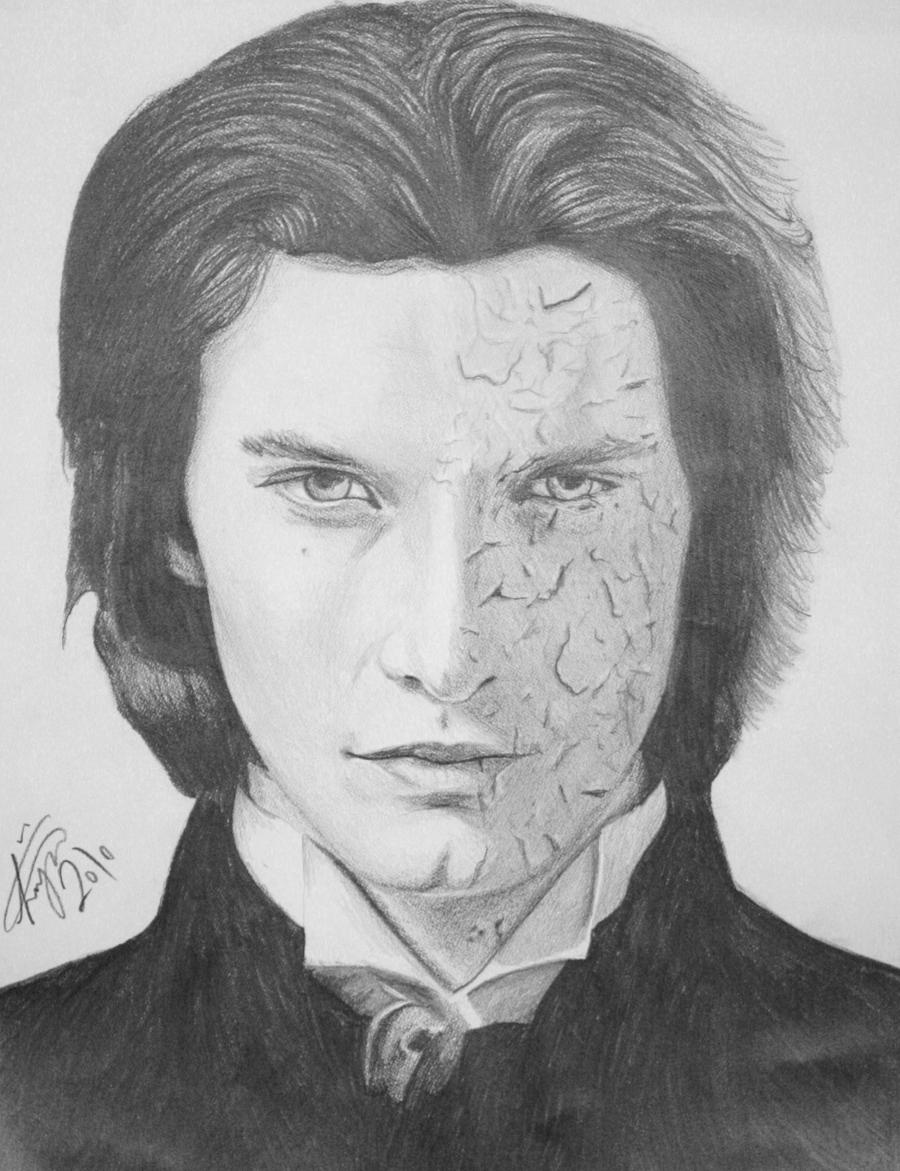
Dorian, on the other hand, takes it all to a totally new
level and is a quite despicable creature because of it. From breaking women’s
hearts and being a complete ass about it to irritate behavior towards his peers,
opium den visits, malice, scorn, and even murder. He is a truly awful subject
but is celebrated by proper British upper class folk because they are all just
as vain as he is. His hateful, ugly inner self is reflected only in the changes
that keep happening to his portrait. It is a very good parallel but had to be
very difficult for British noblemen and women – in their 80 pounds of clothes,
pantaloons, annoyingly overdone white make-up, wigs and fancy parties – to
swallow back in 1870.
Speaking of swallowing, I feel like there may have been a
reference to a bit of homosexuality in the book, but I cannot quite put my
fingers on it. Or in it, whatever. Lots of scenes really get into depth in
describing the immediate surroundings of the characters and offer up pastel
descriptions of butterflies and flowers whilst talking about how beautiful the
young man is and how his friends much prefer his company over the company of
their own wives. It really only adds to the beauty that this dreamy Dorian Gray
figure puts out but I cannot help but think that Oscar Wilde may be hinting at
something.
Anyway, considering how proper people were at this time, and
the class that Wilde chooses as his subjects, it is no wonder it was such a
controversial book. Several chapters in this version were not originally
published; and this from a society that truly loves good literature. He was really ahead of his time, and his
works (this being the only one of his I have read) stand the test of time
because of it. Unlike Dickens, who is also awesome, do not misunderstand me, The Picture of Dorian Gray is still a
good read in my opinion and has humour we can laugh at even now and points out
a tremendous amount of horrible flaws in a superficial society that even people
today can appreciate.


