Popular Posts

Wednesday, July 17, 2013

Cat's Cradle - Vonnegut


A dark, satirical, humourous middle finger extended to everyone in Capitalist Christian and Science Loving America for about 250 rapid-fire pages that takes us through the post-war United States and the defilement of social structure which we felt necessary to sacrifice for peace, and ends up in a completely dystopian, end-of-world, doomsday moment of Zen on a deserted island. What could be more fun?

I read this book in order to become more familiar with the works of Mr. Vonnegut. I'm not too huge a fan of his work, if you can believe it. The only book I had read prior to this that he has written was Slaughterhouse V. And even though it makes nearly everyone's list of American books from the last century that are must reads, I just was not too impressed by it. It was simple, and whilst trying to come of as sad, almost seemed to come of as pathetic. To make matters worse, I just really did not understand why it has such a religious following. Honestly, if I never met a guy with a tattoo of a quote from that book on his arm, I may have been able to enjoy it more.

I think another part of the problem was that I felt I was missing something. Like there was a truly epic experience that the book offered that I just missed out on, probably due to the fact that I skipped out on reading Slaughterhouses I through IV. "This tends to happen when you pick up Book V and start there," I thought. "Surely someone did the same with 'Heretics of Dune' or 'Harry Potter and the Fifth Book of the Franchise.'"


Anyway, you don't need a fanatic loyalty pledged to Kurt Vonnegut to be able to enjoy this book. It just is, on its own, very enjoyable, fast, and darkly funny. Its statement on religion, philosophy, and science is tremendous and, if you are quite the cynic, accurate. Celebrating a genius like Albert Einstein for giving us the power of atomic energy, probably not the best idea. Let alone thinking about that power and knowledge in the wrong hands. Really made me want to go jam to O.M.D’s popular 80’s hit, and one of the best songs of 80’s electronica bar none, Enola Gay
This book has indeed inspired me to go for more in terms of Vonnegut literature, even though I maintain I am not a devout follower, nor even yet a fellow traveller. Which reminds me, you can claim loyalty not to him but to fun phrases and terms he makes up: like Bokononism, wampeters, granfalloons (people pretending to be a part of a made-up cause), so it goes (death), and, thanks to the next Vonnegut book I've started:  chrono-synclastic infundibulum.

Monday, July 8, 2013

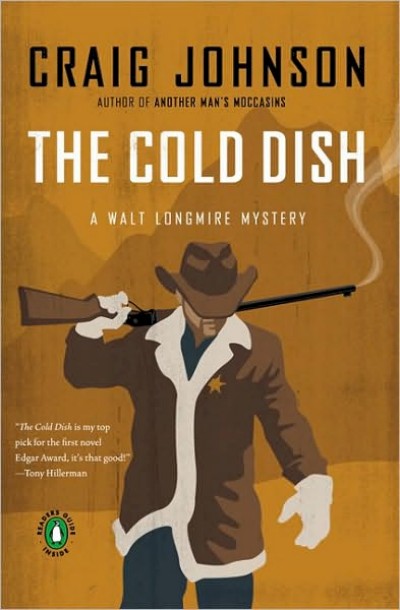
The Cold Dish - Craig Johnson

Gazpacho is a dish best served cold. That is mostly what this book is about. Cold dish stuff. Like revenge. And vengeance. And avenging someone. Any and all venge related words happen here, and the Sheriff is trying to play detective to prevent the vengeant from avenging, revenging, and vengancing the vengee. The characters are pretty good in this story. The main character is a bit down, feeling sorry for himself, and lives in a self-loathed squalor. But he truly is a great sheriff, very representative of small town law enforcement. Even drinks on his way home in his cruiser.

After his wife died, he did not necessarily go into a deep dark depression, but instead just melted into a sloppy, unmotivated, unambitious version of himself. Then the murder happens. Talk about a hell of a shot, ballistics and detective work eventually find out the round was from a Sharps .45-70. One of the best rifles ever made. Not so much a rifle, really, but a shoulder cannon. Or better yet, an explosion that just hurls a baseball weight of lead at its target hard enough to put a bison down at 300 yards. Hence the name, Buffalo Rifle. It is also capable of taking down a person at a better range, though that takes a great shot and even a bit of luck, as the bullets do not fly very true beyond 500 yards, which tends to be its practical range for shooting targets in the field.

In any event, the author knows much about this gun and other guns in general, and as the sheriff learns about them, everyone gets walked through the history and the mechanics of these  breech loading canons. Truly awesome weapons, but very difficult to shoot. Pretty funny, also, that there are so many in such a small town. Irony that is not lost upon the sheriff, which I appreciate. Kind of like a moment when the character in the story says “this story is sort of weird, but okay.” I think this happened on multiple occasions, but my memory is a bit foggy on the other instance. It was something to the effect of him answering another member of the community with “I’m not sure it’s a murder mystery yet, but if it is, there aren’t many butlers in these parts.” Not sure the details of the joke, but I make butler jokes all the time in murder stories so I thought it was great.

Again, the characters were all great, Henry Standing Bear probably the best of them all. Omar in perhaps a close second, but virtually all characters, very minor or major, had their own identity, contributed something to the storyline, and created that bit of small-town community whilst still being true to the small-town drama queens that I am more than just a little familiar with.

The pace was great, the mystery was pretty good, and the ending was getting to be a bit frustrating but ended up being okay. Violent, and violent to the point of the author taking the approach “we don’t need to talk about how gross that is, but trust me, it is devastatingly disgusting.” A .45-70 is capable of incredible damage, and I felt the damage it did to the murder victims wasn’t sensationalized or over-exaggerated. But in the end? Best we all don’t know how that one ended up looking.

This was enough to throw the sheriff into a strange depression. It lasts for several weeks, and by the time the book is over we don’t know if it will last longer, be something he carries with him forever or just gets over and gets back to being the sheriff. Guess we’ll have to read the next one to find out.

The combination of old school style, vaguely sexist and only slightly above the law, makes me think of the noir mystery novels I really like. But set in a contemporary western environment I can relate to much more. Pretty good combination, though I still will deny it being a great book, I will say it is a good one. Maybe because a mystery series just isn’t really my thing.

Sunday, June 16, 2013

Ready Player One - by Ernest Cline

What a nerdfest! I absolutely adored this book’s throwback to better times. The 1980’s. Ah, what a time for music, movies, cars, tv programs, and of course, video games. The book is actually set in a dystopian 2040-something era where humans have exploited the Earth to its limits. One of the only things I did not like about this story, as I really liked it overall, was the author’s selling point that “we have used all the oil and mined all the coal and now there’s no energy and the sky is a hazy brown.” No. No no no, you won’t mine all the coal in the next 40 years. There are hundreds of years of reserves in this country alone. And it burns pretty damn clean. My old home of Tucson, Arizona is powered by a giant coal plant that has air around it as clear as anywhere else in that valley. It’s even cleaner than Phoenix, which gets some of its power from a nukular (TM George W. Bush) plant. Coal plants are not quite the smoggy, smokey cloud-factories that are portrayed in commercials anytime a liberal media blasts a right-wing politician for his reluctance to crack down on the Earth-raping coal industry. Politics aside, the setup is a bit rough. We are not working our way out of decent civilisation. We are sort of growing up and growing out as a race, riding the waves of science and technology and human understanding. But this takes a hardline approach for outlining the future as a very dystopian, poverty ridden, overpopulated and almost silly universe; like the setting of the movie Idiocracy. No wars, just dumb people getting dumber. Once that is all over, however, the book is extremely enjoyable.

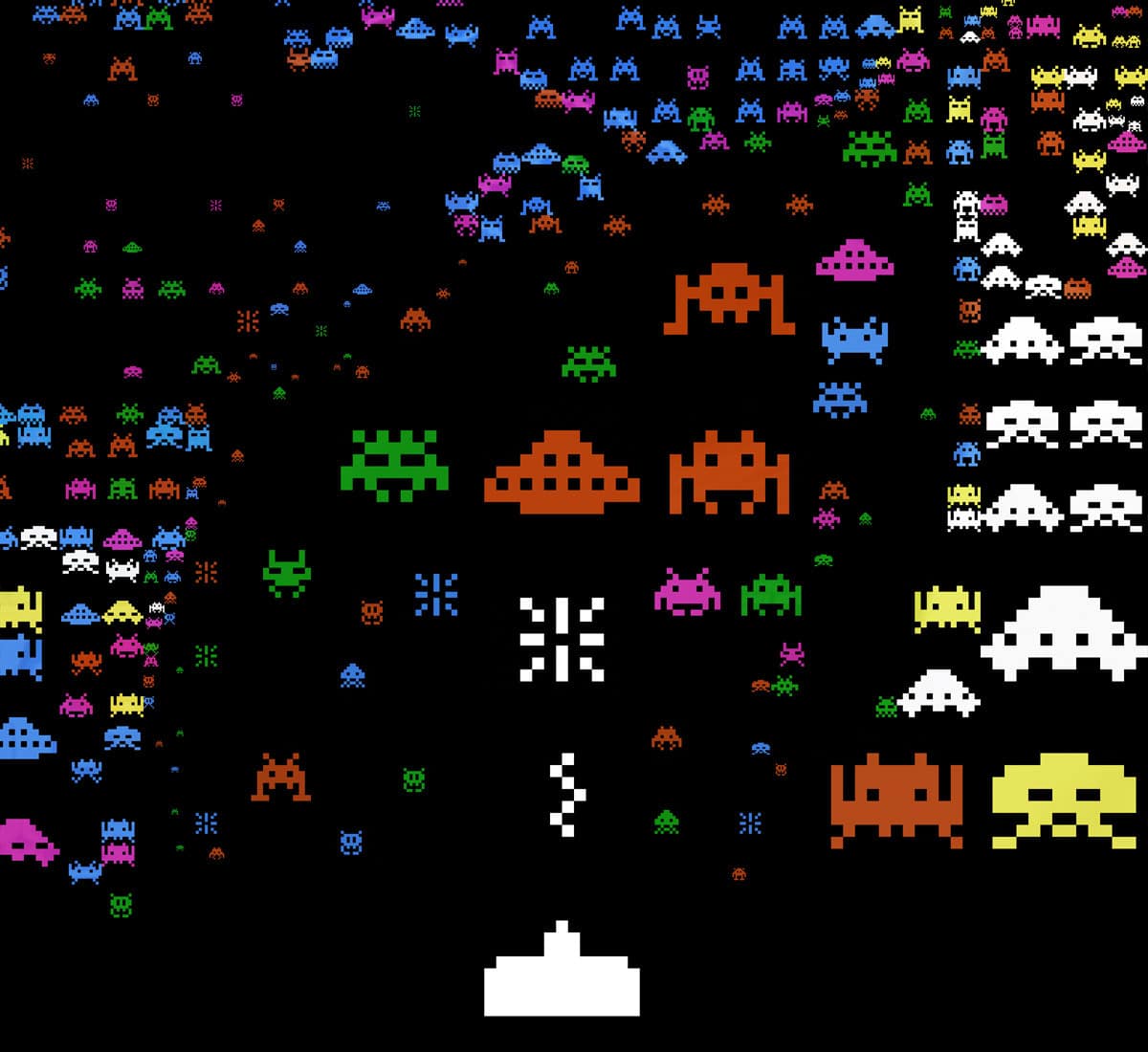
It starts out with 80's references that we are all pretty familiar with, and I was almost a bit disappointed that its references would all be of the popular variety: Highlander, Back to the Future, Sixteen Candles, Def Lepard, Space Invaders, things that pretty much everyone knows. But that is only the beginning, as the book moves along I found myself catching less and less of the references. 80's cartoons, for example; I am only familiar with the majour ones, like Voltron and Transformers. These are sort of treated as the "pop-culture" of cartoons and Cline glides past them and focuses on some pretty obscure shit. Mainly Japanese shows I have never heard of. It was very enjoyable, however, to test the trivial understanding of the 80's and try to see how familiar all the names, shows, characters, and video games (the glorious, 8bit, 2D videgomes) are to me.
Do not misunderstand me, the nostalgia of this book is the primary source of entertainment that I drew from it. But it has general nerd themes I can enjoy. Like the main character enjoying Youtube style videos of cute geeky girls playing their ukuleles. Who has not geeked out to that? And the material related to a futuristic gaming console and its virtual reality setup that is a unique take on tired theory. There is also a shout-out in there to current real life nerds like Wil Wheaton and Cory Doctorow. 

These are enough for me to say it was a book worth my time, but the story itself – again, once you get passed the "we've mined and sucked all the resources out and burned them all, oh no!" bit – is truly fantastic. The antagonistic Sixers and their mega-corporate organisation conducting attacks and putting the users in very real danger was exciting. The glimpse of their world and their processing of employees and indentured servants reeked of the movie THX-1138, a very enjoyable dystopian sci-fi film that also happens to be George Lucas's first film. 
Above all, a love of classic arcade and 8-bit video games, the ones that pre-date my childhood but I still happen to be familiar with, is the very best part of it all. The videogame industry has been in a bit of a tailspin since a time not long after the Wii came out, giving the impression that better graphics are not necessarily what everyone wants…people just want a fun game. And the games of that era were just that. Further clues about the videogame industry’s struggles comes from how the rise of the mobile device has been a huge blow to their profits. People do not need to spend USD 300 to 500 for an entertainment system and another USD 40 to 60 for a game when they can get a little bit of fun here and there on their phone. And what do I play on my phone? Nintendo, SNES, and arcade games; exactly what Ernest Cline is celebrating in this one.

Thursday, June 13, 2013

Loins Series - Once Burned


Loins. Grab ’em if you got ’em. That line is borrowed from the rap song in that link, which is a song about being a Tucson gangsta from a former peer of mine in university who left his very aggressive stance as a hardcore evangelist born-again Xian to return to a life of debauchery. So, good for him.

Anyway I’m not sure how else a book that makes Stephanie Meyer appear as though she beholds the craft and imagination of Bram Stoker slithers its way onto my blog, other than to point out it was a book club recommendation by someone that definitely was not me. Because if I am to be getting off to vampyres for 300 pages, it is at least going to get weird. None of this pop-sensation Trueblood nonsense, or Queen of the Damned, or Blade, or stories that Joss Whedon craps out and people salivate over because OH MY GAWD IT’S JOSS WHEDON!

There is a very brief list of things I liked, so we’ll just cover that and be done. First up: Electrocution. I like how this author’s audacious nature re-defined what it means to be electrocuted. “I mildly electrocuted the perpetrator…” no. No you did not. “When I was a child, was electrocuted and didn’t come out of the coma for weeks OMG!” Again, no. Can’t happen. Think of being mildly murdered. That is how much sense the author makes. What boggles my mind is to think –  or rather trying to think – of friends, family, editors, and publishers actually reading “mildly electrocuted” and just totally being okay with it. Like it means a little zap. It means death by electricity. I would not let someone try to pass off “mildly drowning” and then gaining the power of making people wet when they touch them as a means of a premise to a novel. What further discourages me is to think this person got paid. Paid in real, actual, dollars to write this stuff. It boils my blood.

Pictured: Whampire
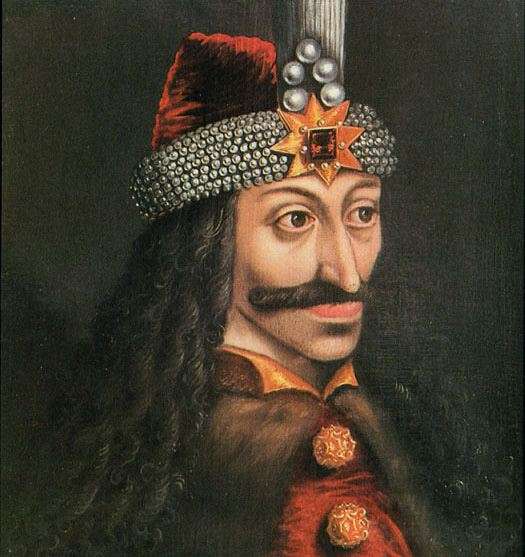
The other favourite part of this story is that vampires just are. They just can! And what sort of vampires are they? Of course they’re basically cliché TV vampires from the modern era. No effort goes into the foundation mythology (a subject I particularly enjoy in any fictional universe) or how they came to be. And why can they fly, any explanation there? Of course not, don’t fret your brain, this is just a story about thrusting in a meat sword to the hilt. Can the author describe why they die, or appear to die? How that happens yet they still don’t decay? Any sort of insight as to why that would happen would be grea- Oh no, don’t get me wrong, I still want to know how Vlad the Impaler licks up messy virgin girls’ remains when he takes their honour from them, I just meant after that…could we then explore the universe of vampires and their defiance of modern science or at least make some shit up about how their disease, affliction, gifts, what-have-you, came into existence?

In the end, I thought these scribblings of a rather boring, uninteresting, unadventurous middle aged woman’s fantasies are better left in a shoe-box with her other quick release apparatus of equally lame, predictable, greasy nature. To the hilt!

Sunday, May 19, 2013

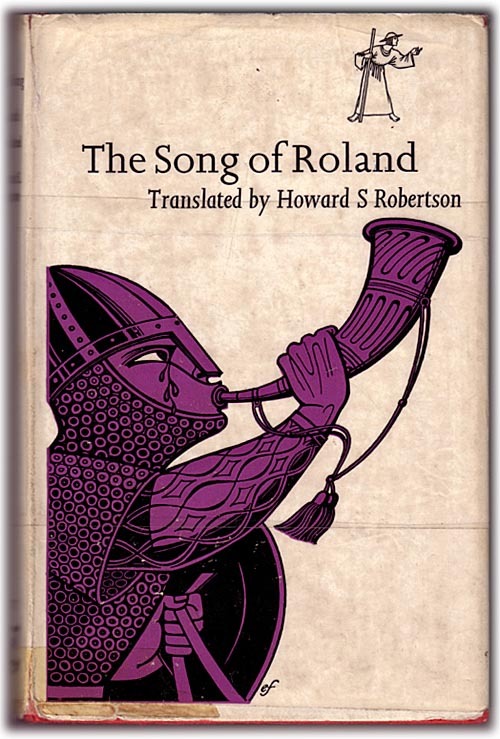
The Song Of Roland

Roland. Brave, noble Roland. Count of Brittany. No, not that Roland. No, not that Roland, either. And certainly not the one these guys are referring to, though that’s a great song. As is this, by another renowned artist. Brother Roland in this instance is nephew to King Carlon; Holy Roman Emperor (the First!) Charles; French King Charlemagne. You understand now.

From the moment I began my study of the Dark Tower Series, which is ongoing, I knew Roland was a special character. From the fairy tales of Childe Rowland, we can surmise him to be an adventurous youth yet sturdy in the discipline of knighthood and battle and a representation of true chivalry, putting violence aside in the name of his opponent’s life for the reward of his family’s life.  In the Stephen King rendition, he is a gunslinger of incomparable skill. Peerless. His quest is somewhat mysterious (we know it is to reach the Dark Tower, but where I am, I still do not yet know why), yet remains entirely noble throughout. In the dark, ghastly poem of Robert Browning, Roland is as much a victim as a protagonist, and though his name and slughorn can be tied to The Song of Roland, his journey is more of a nightmare and what happens when he conquers his quest is never truly revealed.

Roland, in most of these settings, remains a tragic hero. In The Song of Roland, however, I get to nerd out on Medieval bravery and complete lack of fear, where battle is the prime source of gaining renown, and renown is how knights earn a living; and knights such as a Roland, whom enemies and hordes of Paynims (Pagans) are out to slay, look forward to epic battles, live or die, as a chance to firmly plant their name as honourable knights.

The plot is simple: Charlemagne’s war with the Spanish Paynims drags on, and as he would much prefer to return to France, he reaches a deal with their king, Marsilion. Carlon will cease warring in France, as only the city Saragossa still stands, to send a legate to Marsilion and ask for his baptism. His goal is to unite Europe in Christendom (entire sixth through seventeenth century historical spoiler alert!). As the last knights to deal with Marsilion on a diplomatic mission were executed, no one volunteers for the mission. Roland, bravest and boldest and favourite knight of Charlemagne, volunteers his step-father, Ganelon, also called Guénes. A man furiously jealous of the King’s love of Roland already, not to mention Roland’s skill in battle, is sent on this mission against his will. Spite, self-preservation, and jealousy weigh heavy on his mind.

Once arrived at the foot of Marsilion, Guénes makes his move and strikes his deal. Marsilion will be baptized, all of Spain will unite with Charlemagne under Christendom, but it must be done in France. Absurd riches of treasures from the Spanish king will help convince Charlemagne that it must be done under Marsilion’s simple stipulation: that it honour the Holy Roman Empire by being done on their soil. Ganelon adds that if he would wish to defeat Charlemagne, he could do so by defending his honour and slaying his step-son who sold him out to certain death by dealing with the same blood-thirsty Paynims he happens to be selling the deal to. Lo, you are an elitist salesman, Ganelon. It is not often one reads of an instance in which a diplomat visits a combatants kingdom and tells them “I was nominated to visit you against my will, under the apprehension that you filthy savages would gut me upon arrival, so let us strike a deal for the sake of revenge upon he who nominated me for this trip.” Entertaining treachery by Guénes, to say the least.

By the time the treasonous, traitorous, step-father to our hero has left, he has set up Roland’s certain death. As King Carlon leaves for home and resigns this war to peace, as part of Marsilion’s deal to be baptised within the Roman Empire, Roland will no doubt be on the Kings rearguard through the pass atop the Pyrenees. Ah, those dreadful Pyrenees.


Here, Roland is ambushed. The battle begins with only half the poem remaining. And the bloodshed that begins with the first strike is memorable. A confrontation by two eager knights from each side, the French spear penetrating the shield, armor, and hauberk (chain-mail) of the Spanish heathen and bursting his spine from the opposite side. A better way to declare that war is on, and battle renewed, I am at a loss for naming.

Roland the Indestructible fights with the Twelve Peers, Charlemagne’s best and favourite 12 knights. 10,000 strong of these valiant, noble French vassals and princes fight for the Twelve Peers against the hordes of Saracens, 150,000 total. Roland mentions to his friends, in the end, that his uncle Charlemagne may see them all dead upon his arrival of the battlefield, but he shall see no less than 15 dead Saracen for every Frank.

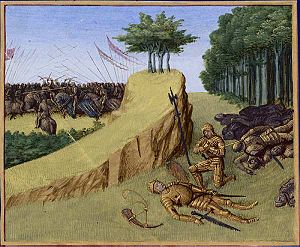
Roland’s stubbornness is part of the reason everything unfolds. In a truly beautiful display of the Medieval stubbornness that signified the onset of chivalric deeds, Roland refused to sound his Oliphant, a horn of elephant’s tusk (hence the name), to alert Charlemagne and the majority of the French army that they are under ambush. Not until nearly all are dead does Roland blow the horn, his temples bursting and blood pouring from his ears when he finally does, and much, much too late.

Of all the Christianity blowing the hell out of a good story and making the poem seem like Christian propaganda to expel the world of the evil that is the Muslim faith and its somehow perfect ally and equal, Paganism (there are historical instances I will not reference here that involve Pagans and Muslims teaming up against Christians, hence the view they are one and the same from the Christian perspective in this story), there is still a very epic Medieval story being told. And though it differs from some of the other majour Middle Ages epics I read and favour, there are some things that stand out that make me love this book. Not just Roland’s stubborn knighthood, either.

The characters, for example, are interesting. Not so complex as you would prefer in a modern day epic, but enough to appreciate. Of the Twelve Peers, three primarily are mentioned: Roland the Count of Brittany (obviously); his best and most loyal friend, and not to mention wise and level-headed Oliver; and the surprisingly crafty sword-wielding Archbishop Turpin, who slays many a Saracen. They all have their say in the course of the battle and it is very representative of their character, even if it goes against what the ultimate knight Count Roland has to advise. Conflict like this makes any story great, but seems to stand out in a story that takes place in a time where killing in the name of your king/god was always the best course of action.

Oliver is the primary dissenter when Roland refuses to sound his Olifant (a horn made of ivory) to alert Charlemagne they are being ambushed and outmanned 15:1; but when they commit themselves to fighting to the death for the glory of their Kingdom and God, Oliver slays well. And when they are down to a force of merely a few handfuls, still with hundreds of Saracens in front of them, Roland decides it is time to sound that horn. Time to let Charlemagne know the battle is lost, but the war can still be won by the Franks. Oliver, however, now dissents to its sounding, swapping the sides of the conflict, and his reasoning is just: You put it aside to spare your pride and assure us all we would fight in glorious battle, and now that death looms near you would fear what you have sentenced us to and use it to ask the King to come to our aid? Coward! He will not be here in time anyway, may as well fight to the death and die knowing you did not go back on your word.” (Not actual quotes, by the way).

His reasoning is sound. But Roland has another idea, which is to sound it and let Charlemagne come – knowing they will die before he arrives – to let him know that they died fighting Marsilion’s army and that he should avenge their death. This is how it happens. And the ambush at Roncesvillas ends with the death of every French soldier, knight, and prince. But Roland dies a hero’s death, not slain by any Saracen but instead dying of his own body giving out after such an exertion of inhuman strength. With nothing left, especially after blowing the Oliphant until his temples burst, he collapses and his soul is carried away by the angel Gabriel.
But soon enough, Carlon’s vengeance will return the favour and it is swift, vicious, and non-discriminant. The Emir of Babylon, Baligant, tries to catch Carlon off guard as the French spend the night with their fallen friends and give the Twelve Peers a proper burial together. The plan, as Ganelon had worked out for them, was that the French would be too shocked and too emotionally distraught to fight properly, is a complete failure. The French fight with a fire no one could have expected, and before too many can be slaughtered, Charlemagne and Baligant knock each other off their respective horses and square off in a sword fight. Once Baligant is slain, Saragossa falls soon after and Marsilion’s queen, for he dies also in attempt to flee, is taken back to France for a baptism.
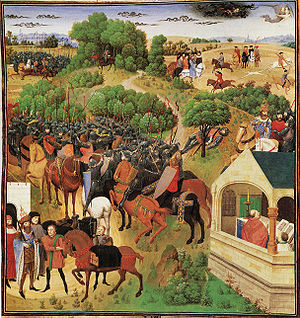
Ganelon undergoes a trial, which seems a bit more civilized than I expected of such bloodthirsty and emotional wrecks of knights under the Holy Roman Emperor’s army. In this trial Ganelon convinces everyone that his vengeance was only to have Marsilion defend his honour by getting back at Roland for what he did to him by sending him out on the diplomatic mission, thought to be certain death at the time. Though we know this not to be the case, the court buys it. Until, that is, a young knight, Thierry, challenges the knight defending Ganelon, Pinabel, in judicial combat. It is the equivalent, in today’s sense, of the prosecuting attorney challenging the defense attorney to mortal combat. The idea is that God will empower the side that is right and grant him victory, which seems more representative of the times than that whole fair trial bullshit. Young Thierry, against all odds and physically outmatched, somehow defeats Pinabel. Ganelon, now proven guilty, is given death by four horses pulling him apart, which separate each arm and each leg in a gruesome public execution. As though this were not enough to heal the pain that ails the King and his army, thirty members of the court of Ganelon are hanged just in case they also have vindictive tendencies.

Truly Medieval, this epic: spectacular battles, violent and stubborn, with great mourning for the brave knights that fall but never a thought of relenting as death stares them down. No escape, but no desire to ever try. The thought of turning back is more vile and vulgar than being cut open, maimed, decapitated or any other gory death. That is part of the great life and honour-code of knights that I enjoy when reading stories of the Middle Ages. The exaggerations and emotional sensationalising that the story tellers added to it never bothers me, though this book has that as much if not more than any other I have read. Also, getting over the Christian element is difficult. It is usually added to Medieval stories almost as an afterthought, just to remind the readers (or listeners, when the story was first decreed) that the good guys are indeed going to heaven, the king does indeed rule by the grace of god, and the enemies are indeed heathens, infidels, Pagans, Saracens, or some other word for Muslims and/or Polytheists. It is very typical of the Middle Ages, but the Christian element is heavier in this one than in any other I have read. And it is placed in such a way that it does not always fit. Still, the debate amongst scholars rages on as to whether this was written as propaganda for the Crusades (as some Crusade terminology is used) or as a precursor to the Crusades, before Christians declared war on all those in the Holy Land.

Important as the Holy Roman Emperor is as a figure in human history, especially the first one in King Charlemagne, I will still, for my money, take a bold, battered war horse like Willehalm in his epic, who travels to see the Emperor in person and literally slaps the hell out of the Emperor’s wife, who happens to be Willehalm’s sister. Really beats the hell out of her whilst trying to beat sense into her. At times, picking her up off the ground by her hair so he can beat her some more. Great stuff from a veteran of the Crusades and former prisoner after capture before his escape with the central figure of that story.

But, as far as this poem is concerned, it is an important piece of literature undoubtedly. Referenced by nearly every other Medieval story after it, as well as stories involving knight errantry and brave warriors in later time periods (Don Quixote, for example), this story will always firmly retain its place in the upper pantheon of Middle Ages Epics. So if you happen to be into that sort of thing, like I am, then I say it is a must read.